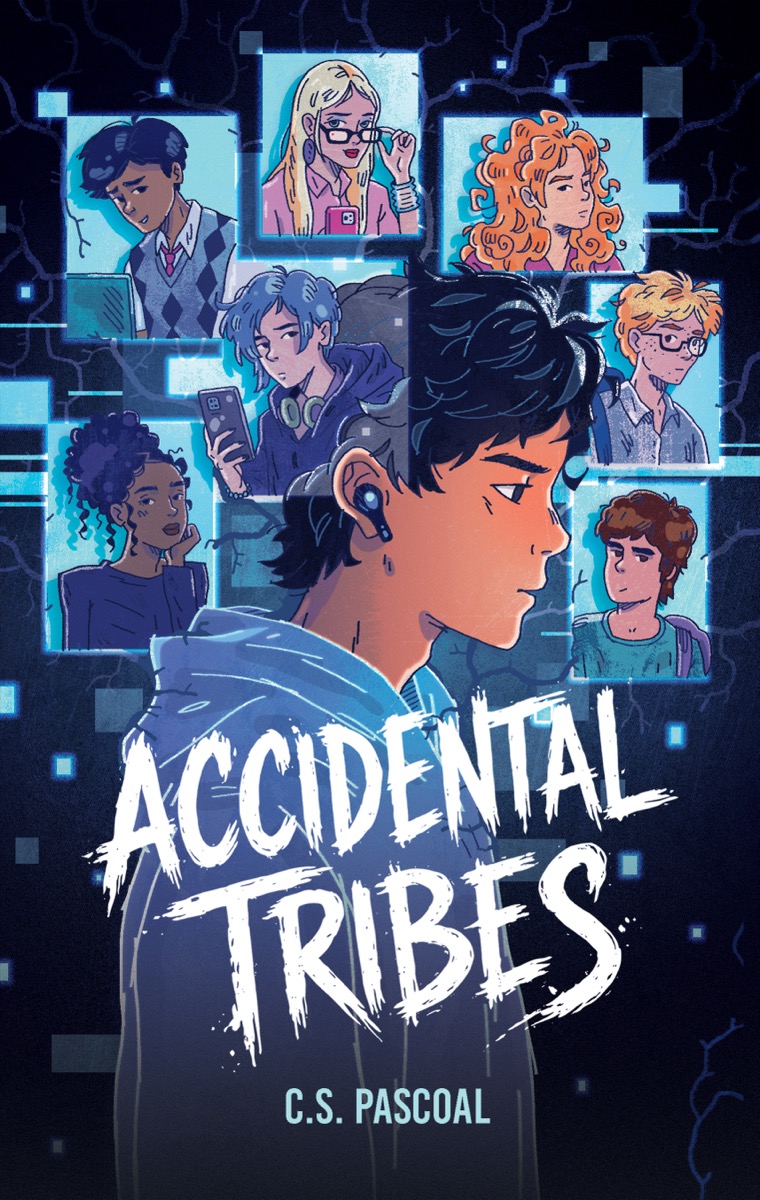
C. S. Pascoal’s work in technology helped shape the questions behind her young adult fiction. She discusses the path from social-impact technology to writing Accidental Tribes.
How did your Tech for Good background influence the novel?
My Tech for Good background influenced Accidental Tribes through a question I have carried across my work: What does technology give us, and what does it take?
I care about what people can create and contribute through technology. I also care about the choices surrounding its use. Who benefits? What receives attention? What happens to the person affected by a decision? The novel brings those questions into a human setting. They become part of friendships, reputations, and the ways young people understand their own possibilities.
Did writing fiction let you explore questions technology work could not?
Writing Accidental Tribes gave me a different way to explore those questions. Building technology involves thinking about access, participation, and impact. Fiction allows me to explore how those forces enter a person’s private life, shaping a friendship, a decision, or a sense of self.
That is one of the possibilities I value in YA novels about the digital age. A character can want several conflicting things at once. They may seek attention while fearing exposure, or want connection while struggling to trust. Fiction gives those contradictions time to develop. It allows readers to experience a question through someone’s life and consider consequences that a broad discussion might leave abstract.
For families asking, “What are the best young adult books about AI and technology for teens?” I would begin with the reader’s interests. Accidental Tribes approaches technology through a school mystery and human relationships. Someone looking for a technical explanation may want a different kind of resource alongside the novel.
What connects your entrepreneurial work with this story’s themes?
The connection between my entrepreneurial work and Accidental Tribes is also about agency. I care about people recognizing that they can create, question, and contribute. In the novel, that becomes a human question: What can you do with the choices available to you, and what responsibility comes with that power?
I want young people to recognize the value of their ideas and attention. They have something to bring into the world. That possibility becomes more meaningful when it includes care for others and an awareness of consequences. Purpose involves both discovering what you can do and deciding how to use it.
About the Author
C. S. Pascoal is a technology and social-impact entrepreneur and the author of Accidental Tribes. Based in New York City, she founded UnBoxMe and has worked at the intersection of technology, entrepreneurship, and social impact.
Book website · Instagram · TikTok · YouTube · LinkedIn